
The Smart Money Habit of Creating and Using Sinking Funds
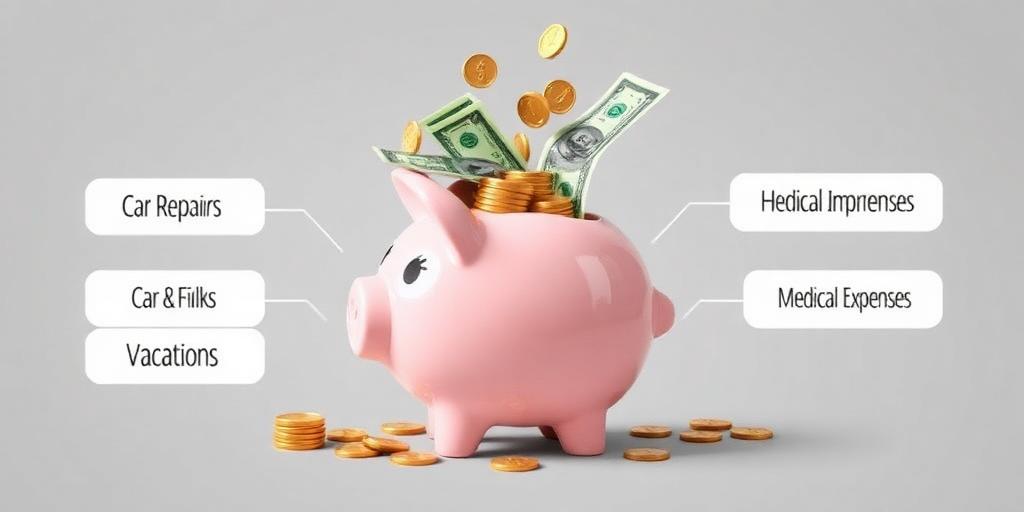
Sinking funds are a smart money habit that can help you achieve your financial goals without accumulating debt. Instead of using credit cards or loans to pay for large expenses, you set aside money each month in a sinking fund dedicated to that specific purpose. This proactive approach allows you to save gradually and avoid the stress of unexpected financial burdens.
What is a Sinking Fund?
A sinking fund is a savings account or dedicated fund used to save money for a specific, predictable expense. Unlike an emergency fund, which is for unexpected costs, a sinking fund is designed for planned future expenses.
Benefits of Using Sinking Funds
- Avoid Debt: By saving ahead of time, you avoid the need to borrow money and pay interest.
- Reduce Financial Stress: Knowing you have funds set aside for future expenses reduces anxiety.
- Better Budgeting: Sinking funds help you plan and allocate your resources effectively.
- Achieve Financial Goals: Makes it easier to reach your goals by breaking them down into manageable monthly savings.
How to Create and Use Sinking Funds
- Identify Future Expenses: List all predictable expenses coming up in the next year or several years (e.g., car repairs, holidays, appliances).
- Estimate the Cost: Research and estimate the total cost of each expense as accurately as possible.
- Determine the Timeline: Determine how many months you have to save for each expense.
- Calculate Monthly Contribution: Divide the total cost by the number of months to find your monthly savings target.
- Automate Savings: Set up automatic transfers to your sinking fund accounts each month.
- Track Progress: Monitor your savings progress regularly to stay on track and make adjustments if needed.
Examples of Sinking Funds
- Car Maintenance: For routine maintenance, repairs, and new tires.
- Holidays: For travel, gifts, and decorations.
- Home Repairs: For fixing appliances, plumbing, or other household issues.
- Medical Expenses: For deductibles, prescriptions, and other healthcare costs.
- Insurance Premiums: To cover large annual or semi-annual insurance payments.
- Vacations: To save for a planned trip.
Tips for Effective Sinking Funds
- Be Specific: The more specific your sinking fund is, the easier it will be to stay motivated.
- Prioritize: Focus on the most important expenses first.
- Adjust as Needed: If your expenses change, adjust your savings accordingly.
- Keep Separate: Keep sinking funds separate from your regular savings to avoid accidentally spending the money.
- Celebrate Success: Acknowledge and celebrate when you reach your savings goals.
Conclusion
Creating and using sinking funds is a powerful habit that can transform your financial life. By planning ahead, saving consistently, and avoiding debt, you'll be better prepared for future expenses and more likely to achieve your long-term financial goals. Start today and experience the peace of mind that comes with being financially prepared.


